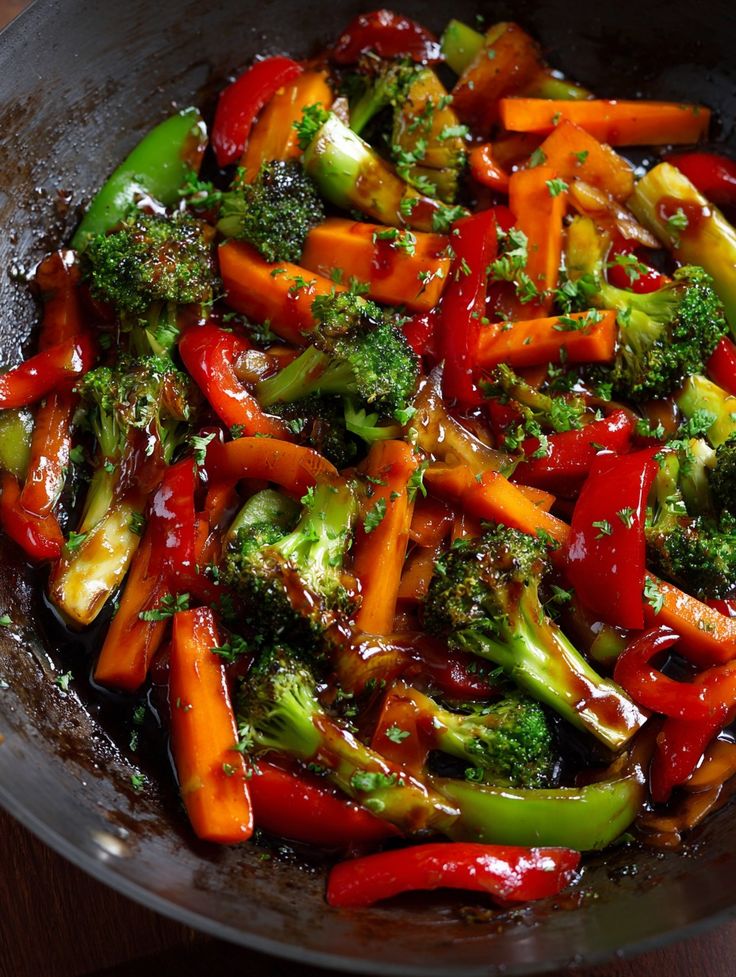
1. Why Healthy Food Matters in Daily Life
Healthy food plays a vital role in keeping our body strong, active, and balanced throughout the day. Eating nutritious meals helps improve energy levels, supports better digestion, and boosts immunity. When we choose fresh and wholesome ingredients, we reduce the risk of lifestyle diseases and maintain a healthy weight naturally. Healthy food also helps improve mood, mental clarity, and overall well-being. Making small, smart food choices every day leads to long-term health benefits and a happier lifestyle.
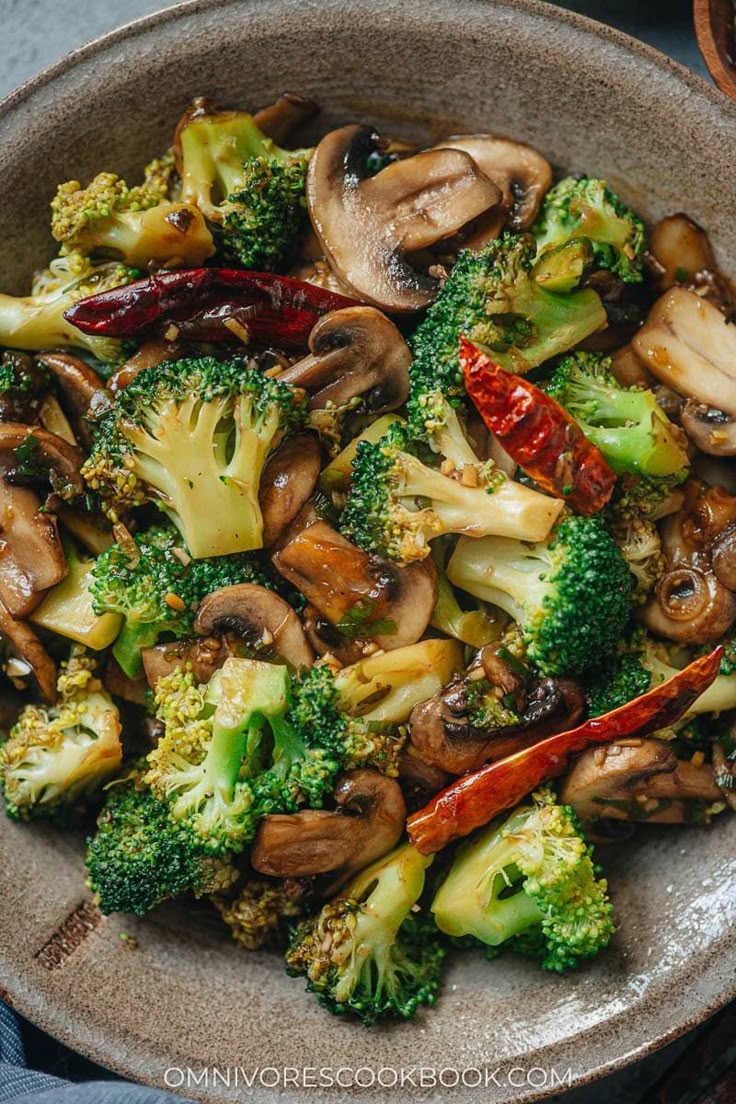
2. How Healthy Foods Improve Digestion and Immunity
Healthy foods play a powerful role in improving both digestion and immunity by supplying the body with essential nutrients, fiber, and antioxidants. Foods rich in fiber, such as fruits, vegetables, oats, and whole grains, help regulate bowel movements, prevent constipation, and support a healthy gut microbiome. When the digestive system works smoothly, the body absorbs nutrients more effectively, leading to better overall health. At the same time, nutrient-rich foods like citrus fruits, leafy greens, nuts, seeds, and yogurt strengthen the immune system. Vitamins such as Vitamin C, Vitamin E, and minerals like zinc help the body fight infections and reduce inflammation. Probiotics found in yogurt, buttermilk, and fermented foods support the growth of good bacteria in the gut, which boosts immunity even further. By choosing wholesome meals every day, we naturally enhance digestion, protect the body from diseases, and maintain long-term wellness.
Healthy foods work in harmony with our body to support a strong digestive system and a powerful immune response. When we include fiber-rich foods like vegetables, beans, and whole grains in our meals, they help clean the digestive tract and promote the smooth movement of food. This not only prevents discomfort and bloating but also ensures that the body absorbs nutrients more efficiently. A healthy gut is essential because almost 70% of the immune system is connected to the digestive system.
Probiotic foods such as yogurt, kefir, kimchi, and other fermented items improve the balance of good bacteria in the gut. These friendly bacteria help break down food, fight harmful microorganisms, and support a stronger immune defense. Antioxidant-rich foods like berries, spinach, garlic, and turmeric reduce inflammation and protect the body from harmful toxins. They also help the immune cells function better.
Additionally, foods rich in vitamins and minerals—like Vitamin C, Vitamin D, zinc, and iron—play a crucial role in building immunity. Citrus fruits boost white blood cell production, while leafy greens improve the body’s ability to fight infections. Staying hydrated with water, herbal teas, or coconut water also helps digestion by keeping the digestive organs functioning smoothly.
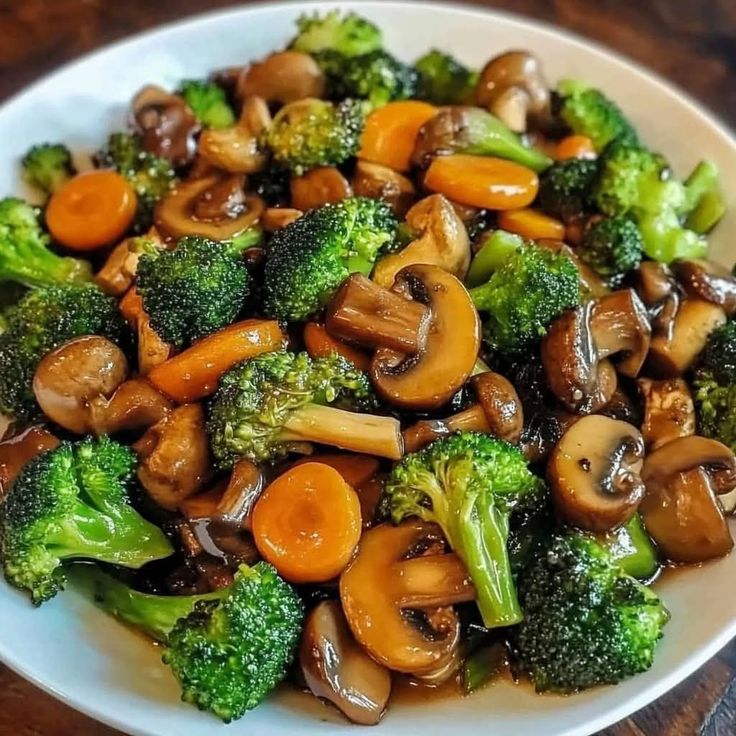
When you make healthy eating a daily habit, your digestive system becomes stronger, and your immunity naturally increases. These small but consistent choices create a strong foundation for long-term wellness, fewer illnesses, and a more energetic lifestyle.
Healthy foods not only nourish your body but also create an internal environment where digestion and immunity can thrive. When you regularly consume fresh fruits and vegetables, you provide your digestive system with natural enzymes that help break down food more effectively. These enzymes support smoother digestion and prevent issues like acidity, gas, and indigestion. Whole foods also contain natural fibers that act like a gentle brush inside your intestines, removing waste buildup and keeping the digestive tract clean.
3. Simple and Quick Healthy Recipes for Beginners
Healthy cooking doesn’t have to be complicated, especially for beginners. With just a few basic ingredients, you can prepare nutritious meals that are both satisfying and easy to make. Simple recipes like vegetable stir-fries, fruit smoothies, overnight oats, and quinoa bowls can be prepared in minutes and offer a perfect balance of nutrients. These recipes require minimal cooking skills, making them ideal for people who are just starting their healthy eating journey. You can also create quick salads by mixing fresh vegetables, olive oil, and lemon juice, or make easy soups by boiling vegetables with simple spices. The key is to choose fresh ingredients and keep your recipes light, colorful, and wholesome. With a little creativity, beginners can enjoy delicious meals without spending too much time in the kitchen.
Another great option is overnight oats, which require no cooking at all—just mix oats, milk, chia seeds, and fruits, and leave it in the fridge. Simple soups made by boiling vegetables like carrots, tomatoes, and spinach with herbs are both healthy and comforting. Even roasted vegetables seasoned with salt, pepper, and lemon make a delicious beginner-friendly dish.
For those who want protein-rich meals, quick options like boiled eggs, chickpea salad, or tofu stir-fry are easy to prepare. Healthy snacks such as fruit bowls, nuts, and homemade yogurt parfaits are perfect for busy days. These beginner recipes focus on clean ingredients, minimal steps, and maximum nutrition, helping anyone start their healthy eating journey with confidence and ease.